


80053 Castellammare di Stabia NA Italia
Villa San Marco is one of the largest and most fascinating Roman villas in ancient Stabiae. Overlooking the Gulf of Naples, it preserves monumental rooms, exquisite frescoes, private baths, and splendid porticoes that speak to the luxury of the Roman aristocracy.
Villa San Marco is one of the most important Roman villas in ancient Stabiae and represents one of the best-preserved testimonies of aristocratic life in the Imperial Age. Located on the Varano plateau in Castellammare di Stabia, the villa occupies a privileged position overlooking the Gulf of Naples, offering extraordinary views of the sea and the surrounding countryside.
Built between the late 1st century BC and the 1st century AD, the villa was intended for otium, or relaxation and recreation, for the wealthiest families of ancient Rome. With a surface area of over eleven thousand square meters, it is one of the largest Roman residences discovered in Campania.
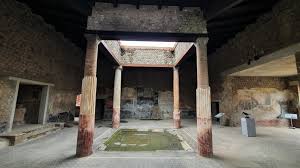
The building is arranged around elegant porticoed courtyards and includes numerous rooms intended for daily life, entertaining guests, and relaxation. Among the most significant features are the private baths, internal gardens, decorated rooms, and the large peristyle, which testify to the level of refinement achieved by Roman architecture.
The frescoes and decorations discovered in the villa demonstrate the owners' exquisite aesthetic taste and are precious testimonies of Roman art from the 1st century AD. Many of the artifacts discovered during the excavations are now housed in the Libero D'Orsi Archaeological Museum of Stabiae.
Like much of ancient Stabiae, Villa San Marco was buried by the eruption of Vesuvius in 79 AD, an event that preserved it until its rediscovery in modern times. Today, the site allows visitors to immerse themselves in the daily life of the Roman aristocracy, strolling through spaces that still retain the charm and grandeur of two thousand years ago.
Villa San Marco represents one of Campania's archaeological masterpieces, a place where history, art, and landscape meet, offering a unique experience in the heart of ancient Stabiae.