


80053 Castellammare di Stabia NA Italia
The Stabiae Archaeological Park houses the splendid Roman villas of ancient Stabiae, overlooking the Gulf of Naples. Frescoes, gardens, and breathtaking views recount the life of the Roman aristocracy before the eruption of Vesuvius in 79 AD.
The Stabiae Archaeological Park is one of the most important archaeological sites in Campania and provides extraordinary evidence of life in ancient Stabiae, a Roman city destroyed by the eruption of Vesuvius in 79 AD. Located on the Varano plateau in Castellammare di Stabia, the park preserves some of the most elegant Roman leisure villas, built in panoramic positions overlooking the Gulf of Naples.
Unlike Pompeii, characterized by a compact urban fabric, Stabiae was famous for its luxurious aristocratic residences surrounded by greenery and overlooking the sea. The villas were used by Rome's most influential families as vacation, relaxation, and entertainment venues, thanks to the mild climate and beautiful landscape.
Among the park's most important remains are Villa San Marco and Villa Arianna, renowned for their monumental spaces, refined frescoes, porticoes, and extensive gardens. The excavations have revealed pictorial decorations of the highest artistic quality, now considered among the finest examples of Roman art from the 1st century AD.
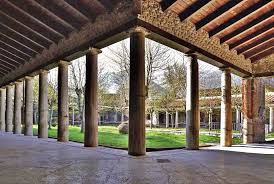
Walking among the archaeological remains, one can imagine the daily life of the Roman elite, observing private baths, decorated halls, colonnaded courtyards, and rooms intended for rest and entertainment. The panorama from the brow of the hill adds further charm to the visit, offering spectacular views of the sea and Mount Vesuvius.
Today, the Stabiae Archaeological Park represents a place where history, archaeology, and landscape blend harmoniously, allowing visitors to discover one of the most fascinating chapters of Roman civilization in the heart of Campania.