


Castello Medioevale Strada Fratte 30 80053 Castellammare di Stabia NA Italia
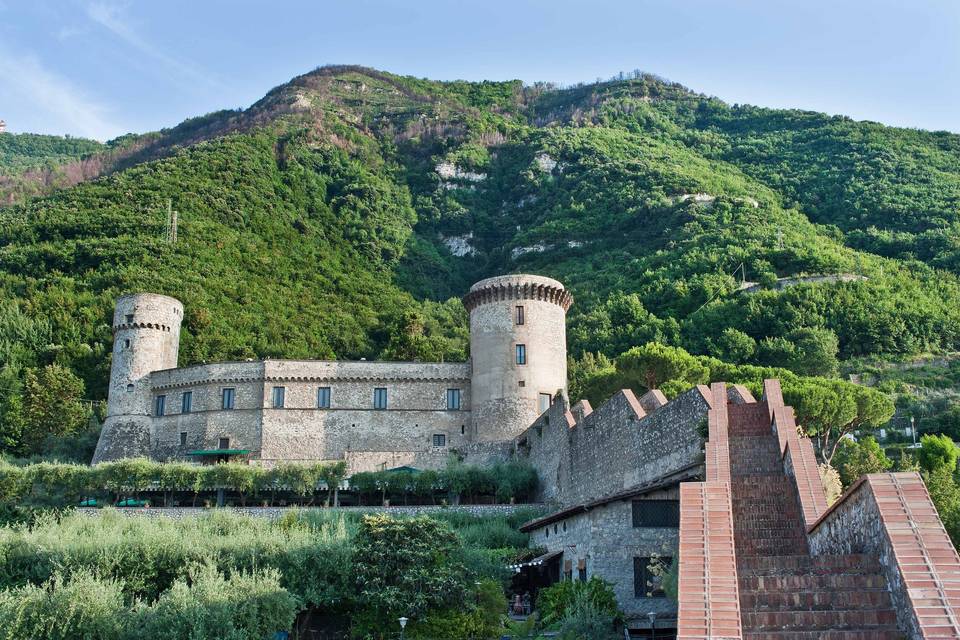
The medieval castle of Castellammare di Stabia dominates the city from a strategic and panoramic position. A testament to centuries of history, it offers spectacular views of the Gulf of Naples and recounts the defensive and military past of the Stabia area.
The Medieval Castle of Castellammare di Stabia is one of the city's most important historical symbols and represents one of the most significant testimonies to its military past. Situated on a hill overlooking the town and the Gulf of Naples, the castle occupies a strategic position that for centuries allowed it to control the sea and land routes of the Campanian coast.
Its origins date back to the Early Middle Ages, when it was built as a defensive structure to protect the territory from incursions from the sea. Over the centuries, the castle was expanded and fortified by various rulers, including the Normans, Swabians, Angevins, and Aragonese, assuming a fundamental role in the defense system of the Kingdom of Naples.
Thanks to its elevated position, the fortress offered privileged visual control over the entire Gulf of Naples, the Sorrento Peninsula, and the main trade routes. This characteristic made it an important military garrison and a strategic point for the defense of the coast.
Today, despite the passage of time and the transformations it has undergone, the castle retains the charm of an ancient medieval fortification. The walls, the remains of the defensive structures, and the surrounding landscape allow one to imagine the importance the fortress had throughout history.
One of the most evocative aspects of the site is the panorama enjoyed from its location. The view extends from Vesuvius to the Gulf of Naples, all the way to the Sorrento Peninsula and the Lattari Mountains, offering one of the most spectacular views of the entire Stabia area.
The Medieval Castle is therefore a place where history, architecture, and landscape meet, recounting centuries of events that have helped shape the identity of Castellammare di Stabia.