


Largo Filippo Augusto Riccio 5 84011 Amalfi SA Italia
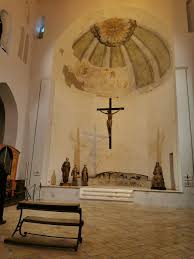
The Basilica of the Crucifix is one of Amalfi's oldest churches. It was originally the city's first cathedral, before the nearby Cathedral of Sant'Andrea was built. Today, it houses the Amalfi Diocesan Museum.
The Basilica of the Crucifix is one of the oldest and most significant sites in Amalfi's religious and artistic history. Located next to the famous Cathedral of Sant'Andrea, it represents the original nucleus of the Amalfi cathedral and bears witness to the heyday of the Maritime Republic of Amalfi.
The basilica likely originated in the 6th century as the city's first cathedral. Over the centuries, especially between the 9th and 13th centuries, Amalfi became a commercial power in the Mediterranean, and the church was expanded and enriched. When the nearby Cathedral of Sant'Andrea was built, the two buildings remained connected, forming a single, large religious complex. This architectural continuity is still evident today, especially in the arches, naves, and decorative elements that unite the spaces.
The basilica's appearance reflects the encounter of different cultures that characterized medieval Amalfi. The architectural style blends Romanesque, Byzantine, and Moorish elements: intertwined arches, geometric decorations, and simple lines coexist in an evocative and spiritually rich setting. The façade is simple compared to the magnificence of the Cathedral, yet this very simplicity highlights the building's antiquity.
The interior is divided into naves punctuated by columns and arches. Over the centuries, the basilica has undergone Baroque transformations, but it still retains significant medieval traces, such as frescoes and pictorial decorations dating from the 13th to 15th centuries. The atmosphere is intimate and silent, distinct from the monumental feel of the nearby cathedral, and conveys a strong sense of historical memory.
Today, the basilica houses the Diocesan Museum of Amalfi, which houses works of sacred art, reliquaries, processional crosses, manuscripts, and precious liturgical objects from the Amalfi area. Among the most significant works are medieval silver artifacts and evidence of the maritime city's profound religious devotion.
The Basilica of the Crucifix is not only a religious building, but also a symbol of Amalfi's history: through its architecture and works, it recounts the bond between faith, commerce, and culture that made the city one of the most important centers of the medieval Mediterranean.